Top Interview Questions for Automotive Mechanics

David Fantin

|

March 25, 2025

|

Read time: 3 min

Mechanic interviews are challenging for both the employer and candidate because the right candidate has to be a fit in personality and technical ability. Plus, the numerous certification types, manufacturer nuances, and shop needs make it even more challenging to become a mechanic.

This guide can be used to help repair shops/dealerships ask the right questions and also help technicians be prepared for questions they will likely encounter. Below you will find the most common car mechanic interview questions broken down by mechanic and service advisor level plus tips to ace your next interview.

Top mechanic job interview questions

While every auto repair shop differs in how they run their job interview process, these are some of the most common questions you can expect. Ranging from technical questions to customer service, be prepared to answer these common questions before your next interview.

An image highlighting the top job interview questions for mechanics.

General interview questions for car mechanics

These common questions cover basic automotive repair experience and relevant work history.

  • Tell me about yourself and your experience as an automotive technician.
  • Why do you want to work for our company/shop?
  • How do you stay up to date with new automotive technologies and repair techniques?
  • What certifications do you currently hold (ASE, manufacturer-specific, etc.)?
  • Are you comfortable working weekends, evenings, or overtime if needed?

Technical interview questions for mechanics

These technical interview questions cover more specific hand-on experience and tools/equipment.

  • Which repairs are you best at?
  • How much would you estimate your tool inventory to be worth?
  • What steps do you take when diagnosing a check engine light?
  • What tools and diagnostic equipment are you most familiar with?
  • Have you worked with hybrid or electric vehicles?
  • Do you believe in factory recommended vehicle maintenance intervals?
  • How comfortable are you with OEM scan/diagnostic tools?

Experience & situational questions for mechanics

These questions help employers understand how you would handle various shop situations and also helps them understand your communication skills.

  • Can you describe a time when you had to work under a tight deadline?
  • How do you deal with angry customers?
  • How do you prioritize tasks when you have multiple vehicles to work on?
  • What would you do if you made a mistake on a repair? How do you handle accountability?
  • What do you do if you encounter a vehicle with an issue you've never seen before?

Additional questions to expect

  • Are you comfortable serving those in need once a month?
  • Are you comfortable doing a DVI on the majority of vehicles you touch?
  • How do you handle a high-pressure environment when the shop is busy?
  • How do you handle a situation where you're unsure about how to fix a problem?
  • Tell me about a time you went above and beyond for a customer?

Top interview questions for service advisors

While the interview questions for service advisors will be similar to mechanics, there will be small differences. Typically, service advisors will be more customer facing and shops will tailor their questions to focus more on customer service and communication style.

General interview questions for service advisors

  • Are you comfortable selling repair services?
  • Are you comfortable working on a commission based salary structure?
  • Who do you believe has the best after market products?
  • Which shop management software is your favorite?
  • How do you deal with a customer saying that you are more expensive than their last shop?
  • How do you win back angry customers?
  • How do you handle over the phone quotes?

Technical interview questions for service advisors

  • What are your greatest strengths as a service advisor?
  • Who do you trust for moving electrical parts?
  • How do you handle working in a fast-paced environment?
  • Are you comfortable meeting sales goals and upselling services?
  • How do you stay up to date with new automotive technology and service trends?
  • How do you handle stress during busy hours?

Experience & situational questions for service advisors

  • How do you explain complex vehicle repairs to a customer who doesn’t understand cars?
  • What steps do you take to build trust with customers?
  • Have you ever had to deal with a miscommunication between a technician and a customer? How did you resolve it?
  • Can you describe a time when you turned a dissatisfied customer into a repeat customer?
  • How do you handle multiple customers needing assistance at the same time?

Additional questions to expect

  • How do you explain the importance of routine maintenance to a customer?
  • What experience do you have with automotive service software or point-of-sale systems?
  • How do you prioritize repair orders and schedule work efficiently?
  • How do you explain repair estimates to customers?
  • How would you respond to 1-star reviews?

Job interview tips for mechanics

  • Research: Not all shops are created equal so make sure to research before applying to make sure they are a good fit. You can also look at online reviews to see what their customers are saying.
  • Preparation: Use the commonly used questions above to help you prepare for the interview. Practice how you would answer each question and ways you can present yourself well.
  • Attire: You have 7 seconds to make your first impression and attire is a big part of that. Dress to showcase your professionalism and experience.
  • Highlight your experience/certifications: Showcasing your certifications and experience can go a long way to in making sure you land the job.
  • Ask thoughtful questions: Some interviewers will allow you to ask questions during the conversation. Make sure you have a few questions to ask that help you learn more about the shop.
  • Follow up: if you haven’t heard back from the shop and you are still interested, give them a call and remind them of your interest in the position.

Final thoughts

Interviews are challenging in any industry but mechanic interviews can be even more challenging with the shortage of talent available. This guide will help you either prepare for your next interview or provide you with common questions to ask your next hire. Lastly, always hire for culture fit and talent second. Culture problems are a lot harder to correct than technical car knowledge.

👉 Ready to grow your automotive business? [Book a personalized Tekmetric Demo Here]

FAQ

How do I prepare for a mechanic interview?

What should I wear to an automotive interview?

More articles

Serving Generation CX: Leveraging Industry Trends to Transform Your Customer Experience

May 22, 2024

Read time: 3 min

read more

Alex recently sat down with Ratchet + Wrench Radio to discuss a whitepaper she authored on how shop owners can identify inefficiencies in their shops. During the conversation, she discussed how shop owners can recognize these inefficiencies and fix them with shop management software.

Here are some of the highlights from the podcast.

How to Get the Most Out of Your Shop Management Software

September 6, 2022

Read time: 3 min

read more

Almost 1,000 shop owners, service advisors, and technicians gathered in Houston for Tektonic 2026, Tekmetric's first industry conference. Over two days at the Marriott Marquis, attendees packed breakout rooms, traded hard-earned lessons, and heard from operators, coaches, and industry leaders who have built and scaled shops of their own.

The Question That Started It All

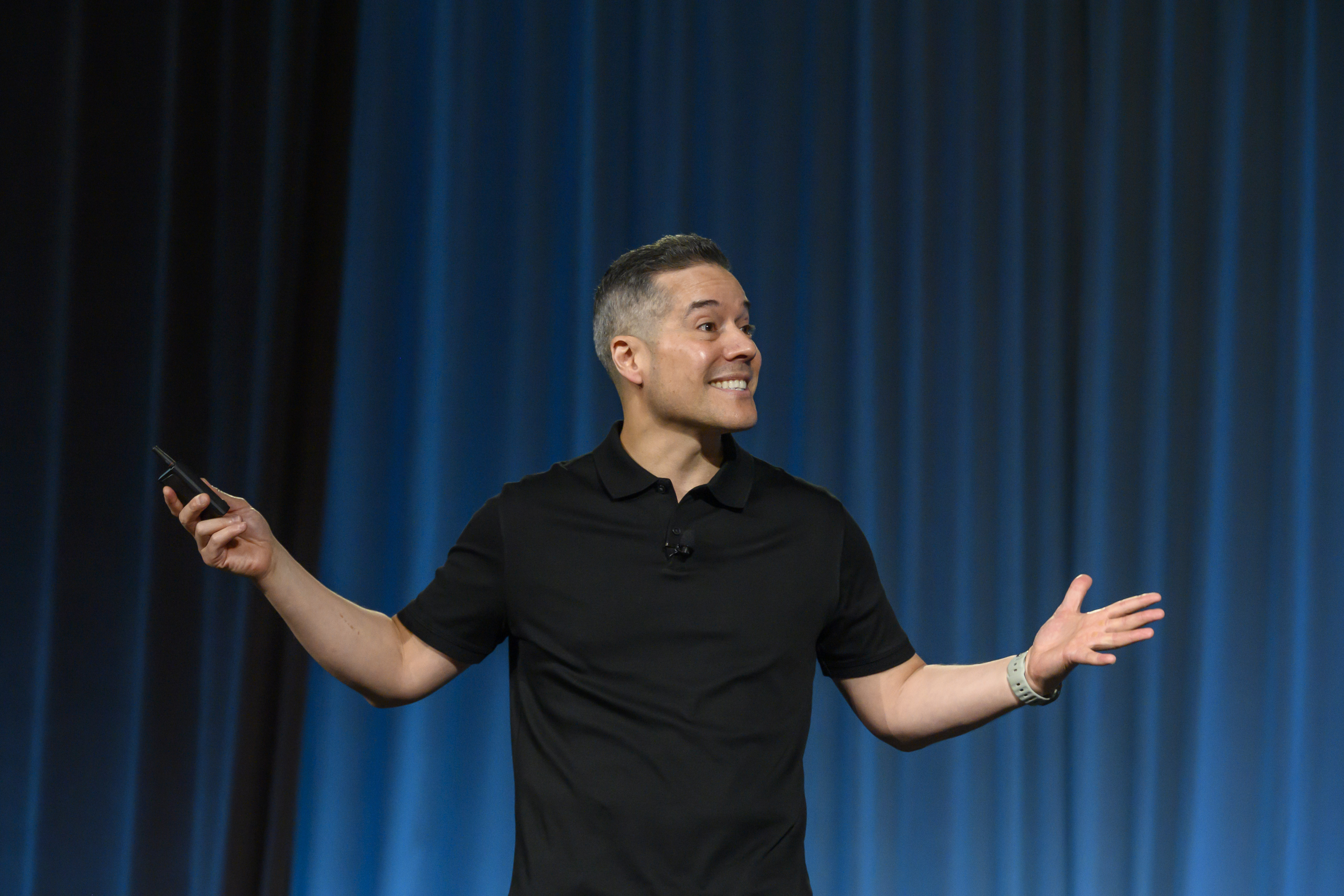
Tekmetric CEO and Founder Sunil Patel opened Tektonic 2026 with a question he has been asking since he was writing service tickets and mopping floors at his former Houston shop, Motorwerks of Houston: "Why does it have to be so hard? Why does it have to feel like we're fighting a war on 12 fronts?"

That question, he told the room, is the reason Tekmetric exists.

Standing in front of shop owners, service advisors, and technicians who understand that question on a cellular level, Patel walked through how much harder running a repair shop has become. Vehicles are packed with software, sensors, and calibration systems that require entirely new toolsets. Customer expectations have been shaped by on-demand everything. Technician shortages continue to press on shops across the country. And OEM data restrictions are making it harder for independent shops to do the work they were built to do.

But Patel didn't stop at the challenge. He laid out four pillars he believes the industry needs to move forward: stop celebrating burnout as a badge of honor, build genuine trust with customers and teams, invest in an ecosystem of great partners and vendors, and embrace technology that serves shops rather than extracts from them.

He closed with a simple ask for everyone in the room: be curious, be open, be generous with what you know, and be present. 

"I want you to take something away from here," he said. "Something that will get you to be 1% better than you were."

That set the tone for everything that followed.

Top Takeaways

Process Consistency Wins on the Hard Days

Busy days don't create problems. They expose them. The best shops build their standard operating process before the chaos starts.

  • Call the day before. A preappointment call to review service history and flag overdue maintenance turns intake from reactive to planned and primes customers to say yes before they walk in the door.
  • Speed is your biggest sales tool. Every hour between drop-off and delivering an estimate costs roughly 10% in approval rates. Get findings to customers fast.
  • Set the next promise, not the finish line. Never promise a completion time you can't guarantee. Promise the next specific update and deliver it on time, every time.
  • The in-store customer is the highest-priority repair order in the building. Every other car can wait. The person sitting in your lobby cannot.
  • Improve one thing at a time. Pick one process to fix, measure it, and build accountability before moving to the next. Trying to fix everything at once fixes nothing.

Speed Closes More Jobs Than Salesmanship

Closing rates drop sharply with every hour that passes between drop-off and the customer call. A customer who has been waiting since 8 a.m. has had time to read every one-star review and talk themselves out of approving the work.

  • Get inspection results to customers within 30 minutes of dispatch. That's the speed zone. Everything else in the shop is secondary until that call is made.
  • In-store customers get findings in 15 minutes or less. The customer is sitting right there. Use it.
  • Relative priority is your daily compass. At any moment, the most important thing is moving the car that's furthest behind in the process. Not the loudest customer. Not the most expensive ticket. The earliest step.
  • Two daily goals. Full stop. Every technician runs at least eight billable hours. The shop hits its gross profit target. Nail both and everything else follows.

You Don't Have a Technician Shortage. You Have a Culture Problem.

The technician pipeline isn't as broken as it seems. What's broken is how many shops make it hard to stay.

  • Rethink flat rate. Hybrid pay models that combine a solid base with performance incentives align your team's goals with the shop's goals and they're far more attractive to the next generation coming into the trade.
  • Answer two questions before you do anything else. Why would a technician work here? Why would a customer come back? If you hesitate on either, start there.
  • Recognition is the highest-ROI leadership move you have. Research cited at the conference found that team members become disengaged because they don't feel seen. Fix that before you invest in anything else.
  • AI won't replace hospitality. Technology can handle administrative weight, but the trust a service advisor builds with a customer at the counter is irreplaceable. Invest in that skill set.
    ‍
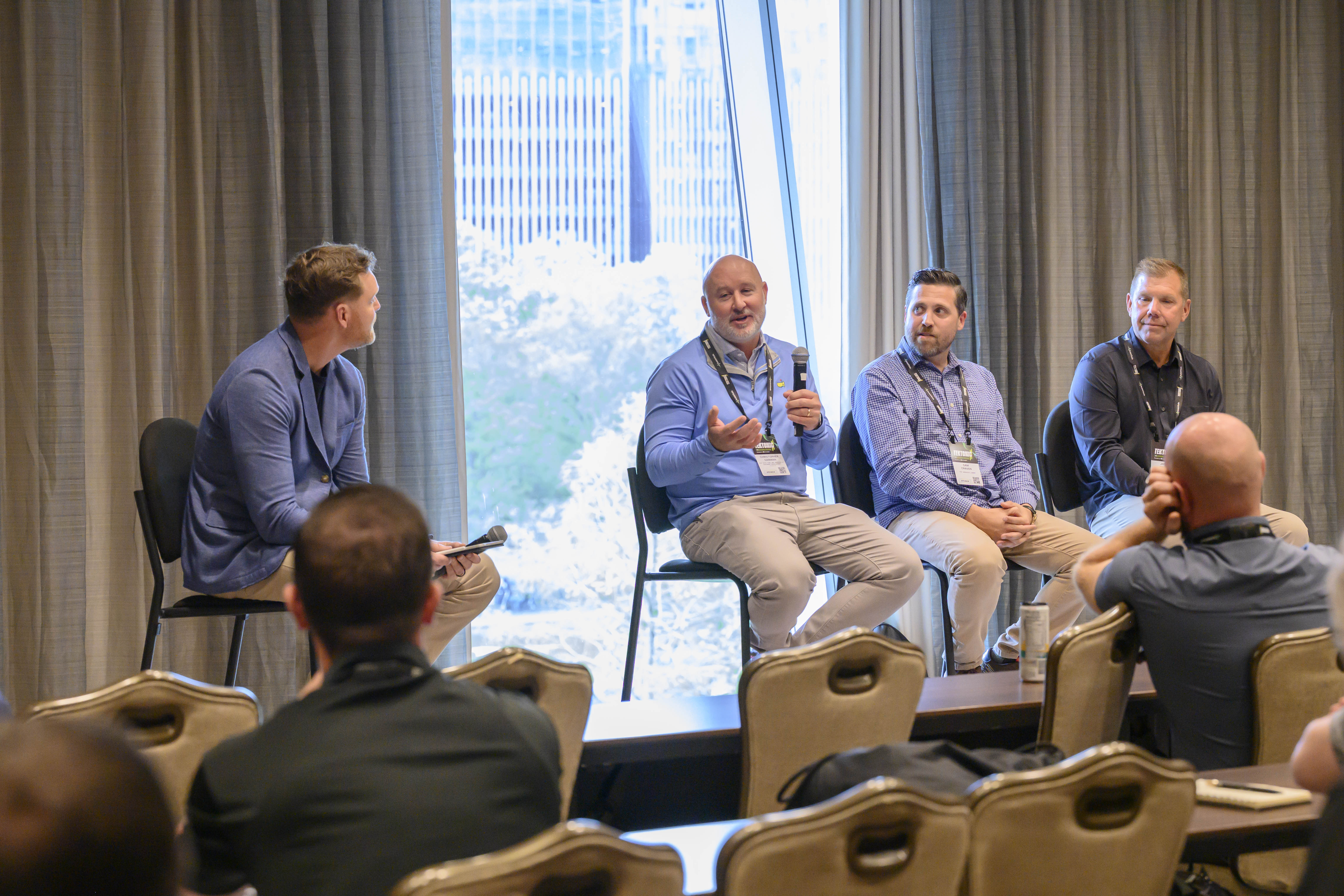
P.J. Leslie, Tekmetric's head of mid-market and enterprise sales, moderates a panel during Tektonic 2026 in which multishop owners break down the real strategies behind expansion: buying shops, building shops, systemizing operations, integrating teams, protecting culture, and planning for eventual exit or partnership.

Growing to Multiple Locations Takes More Than Money

Every multishop operator on the stage agreed: you're never fully ready, and that's fine. What matters is being profitable, having the right people, and expecting the unexpected.

  • Profitable and cash-positive before you move. When you make a mistake at location two—and you will—you need a healthy location to cover it.
  • You're ready when your shop doesn't need you. Build your bench before you open the next door. The manager for location two should already be in your building today.
  • Start your exit plan on day one. Almost no one in the room at one of Tektonic’s breakout sessions had a clear exit strategy. Don't leave money on the table because you never thought through how the story ends—whether that means selling, transitioning, or building for long-term cash flow.

Leadership Is the Ceiling on Everything Else

Your shop will never outperform your leadership. What you tolerate becomes your standard. How you show up on Monday morning sets the emotional temperature for everyone around you.

  • Know your triggers before they know you. Name what sets you off. Once you can spot it, you can stop it before it damages a relationship.
  • Pause for three seconds. Before you respond to anything that's gotten under your skin, stop. Three seconds is the difference between a reaction and a response.
  • Hear less. Listen more. After someone finishes speaking, let the silence sit. People almost always have more to say and the second thing is usually the real thing.
  • Walk into hard conversations knowing how you want them to end. Start with the outcome in mind, not the grievance.
    ‍
Tekmetric Chief Product Officer Jared Haleck breaks down Tekmetric's new products at Tektonic 2026. The new products include Tekmetric digital ads, Smart DVI, and Tekmetric phones.

Product Announcements at Tektonic 2026

The closing session belonged to the Tekmetric product team. Drawing on data from more than 15,000 shops on the platform, Tekmetric President and COO Lauren Langston and Chief Product Officer Jared Haleck built the roadmap around key areas where winning shops consistently outperform the rest: car count, average repair order (ARO), driver experience, and cycle time.

Here's a look at what’s coming:

Tekmetric Digital Ads: AI-powered advertising on Google Maps and Search, built for the moment a driver has a problem and is ready to act. It connects directly to Tekmetric so you can see the gross profit behind every dollar of ad spend, not just clicks.

Smart DVI: Technicians walk the vehicle, narrate what they see, and Smart DVI builds the customer-ready inspection report automatically—findings organized, images annotated, and jobs pre-suggested for the estimate. Less time typing. More time turning wrenches.

Tekmetric Phones: Customer details, open repair orders, and communication history surface the moment an inbound call rings. No more looking it up while someone's waiting. A future capability in development will transcribe calls in real time and auto-populate appointment notes.

See You in 2027

Tektonic 2026 was Tekmetric's first industry conference, and it delivered on the promise Sunil Patel made from the stage: a room full of shop owners, service advisors, and technicians who showed up to get better.

The through-line across every session was the same. The shops that win are the ones that build systems, invest in their people, and keep getting 1% better. Not all at once. One thing at a time.

Registration for Tektonic 2027 is already open. We hope to see you there.

‍