How to Deliver a Consistent Auto Repair Customer Experience Across Every Location

|

September 1, 2026

|

Read time: 3 min

A customer trusts your shop. They've been coming for years. They know the waiting room. They trust the advisor who always explains things clearly. They never worry about the estimate.

Then they move across town, stop into your newest location, and it is a different experience altogether. The inspection isn't the same. There are pricing discrepancies among shops. And, perhaps worst of all, an advisor might have no idea they're dealing with a loyal customer.

That's the hidden cost of growth. Every location that is added is another chance for the customer experience to shift, and customers notice changes fast. For multi-shop operators, a consistent customer experience isn't a branding nicety. It's the thing that lets a customer trust the name on the building instead of the people inside it.

Consistency for customers: A consistent customer experience across locations means every shop delivers the same inspection process, pricing logic, communication, and recognition of a returning customer, regardless of which location they visit. It's achieved by standardizing workflows and centralizing customer data on one platform, rather than relying on each location to run things its own way.

Why consistency gets harder with every location you add

At one shop, consistency is almost automatic. You set the tone, you know the regulars, and your team absorbs your standards by working next to you. None of that scales. At three or five or 10 locations, the owner can't be everywhere, tribal knowledge doesn't transfer, and each shop starts developing its own way of doing things.

The drift is rarely dramatic. It's a technician at one location skipping a courtesy inspection step. It's one advisor quoting brakes $40 higher than another. It's a returning customer being treated like a stranger because their history lives at a different store. Individually small. Collectively, they add up to customers who can't predict what they'll get, and unpredictability is the opposite of trust.
The four places customer experience breaks first

When experience drifts across locations, it almost always starts in the same four places. Fix these and you've fixed most of the problem.

1. The inspection

The digital vehicle inspection (DVI) is where customers form their opinion of your shop. It's the moment they see what's wrong with photos and video instead of taking your word for it. If one location runs a thorough inspection with images and another does a quick once-over, customers get two completely different impressions of how careful your brand is. Standardizing the inspection is the single highest-leverage consistency move a multi-shop operator (MSO) can make. See how a strong DVI strategy drives approvals and trust.

2. Pricing and the menu of jobs

Nothing erodes trust faster than a customer discovering the same repair costs more at one of your locations than another. When labor rates, parts pricing, and common ("canned") jobs are set independently at each shop, that gap is inevitable. Consistent pricing logic across locations keeps a customer from feeling penalized for walking into the wrong door.

3. Customer history and recognition

Customers expect the businesses they frequent to remember them. Every major retailer can see what you bought and where, no matter which store you walk into. Auto repair customers have the same expectation now. If a loyal customer's records are trapped at the location where they were created, your newest shop can't see the declined brake job from last spring or the maintenance that's now due. Shared history is what lets any location pick up the relationship where the last one left off. Learn how Shared Customer History works.

4. Communication

How you reach customers, texts for approvals, inspection links, status updates, sets the tone for the whole visit. If one location texts photos and estimates within minutes and another still calls and describes problems over the phone, customers experience two different service standards under one brand. Consistent communication templates and channels keep the voice of your business the same everywhere.

How multi-shop software makes consistency the default

Here's the shift: consistency shouldn't depend on every location choosing to do the right thing. It should be built into the system they all work in. That's what a true multi-shop platform does. It turns your standards into settings, so the right way is simply the way the software works.

With Tekmetric Multi-Shop, operators standardize DVIs, canned jobs, pricing, and discounts across every location from one place, so a repair order opened at any shop starts from the same playbook.

Shared Customer History connects customers across shops, so any location can view a customer's full history, declined jobs, past service, contact info, without re-entering it or treating them like a first-timer.

And because everything runs on one login with a portfolio-wide dashboard, owners see how each location is actually performing in real time, not just revenue, but the operational habits that shape the customer experience. When a location starts to drift, you can see it and coach it before customers feel it.

Why it matters: Standardization isn't about making every shop identical for its own sake. It's about making a promise to customers, the same care, the same clarity, the same recognition, that holds no matter which of your locations they choose. That promise is what turns multiple shops into one trusted brand.

What it looks like when it works

Leroy Ingram, who runs Ooroo Auto Care, put the visibility side of it plainly:

"Now I can look at everybody at a glance. I can be in a different state, different city and know exactly what's going on in each location all the time. That's not something I had before."
— Leroy Ingram, Ooroo Auto Care

That's the operational backbone of consistency: when an owner can see every location clearly, standards stop being a hope and start being something you can actually manage.
Where to start

You don't have to fix everything at once. If you're feeling the drift, start with the highest-impact standard and work down.

  • Standardize your inspection first. Set one default DVI template so every vehicle at every location gets the same thorough treatment.
  • Align pricing and canned jobs so the same repair costs the same across shops.
  • Connect customer history so any location can recognize and serve a returning customer.
  • Standardize communication so approvals, estimates, and updates feel the same everywhere.

Do those four things and you'll close most of the customer experience gaps between your best location and your newest one.
👉 Ready to grow your automotive business? [Book a personalized Tekmetric Demo Here]

FAQ

More articles

Ever wonder how you could make your auto repair shop website rank in Google for “Mechanic near me” or “Best auto repair shop”? Look no further, this guide will walk you through everything you need to know about search engine optimization for automotive repair shops.

Search engines play a large role in today’s buyer journey and the auto repair shop industry is no different. Shop owners are recognizing this and starting to emphasize SEO (search engine optimization) as part of their overall digital marketing strategy.

Auto Repair SEO 101

SEO for automotive repair shops is a marketing tactic designed to influence how your website ranks in Google and other search engines. When done correctly, SEO efforts can create more website traffic and ultimately, generate more customers for your auto repair shop.

However, search traffic is becoming more competitive and other shops are likely aiming for the same keywords as you are. Utilize this guide to see how you can improve your website traffic and search engine rankings for your auto shop.

Tek-Tip: Curious how you rank for important keywords? Simply open an incognito tab and search for keywords you want to rank for. Incognito tabs remove location and search history bias from your search.

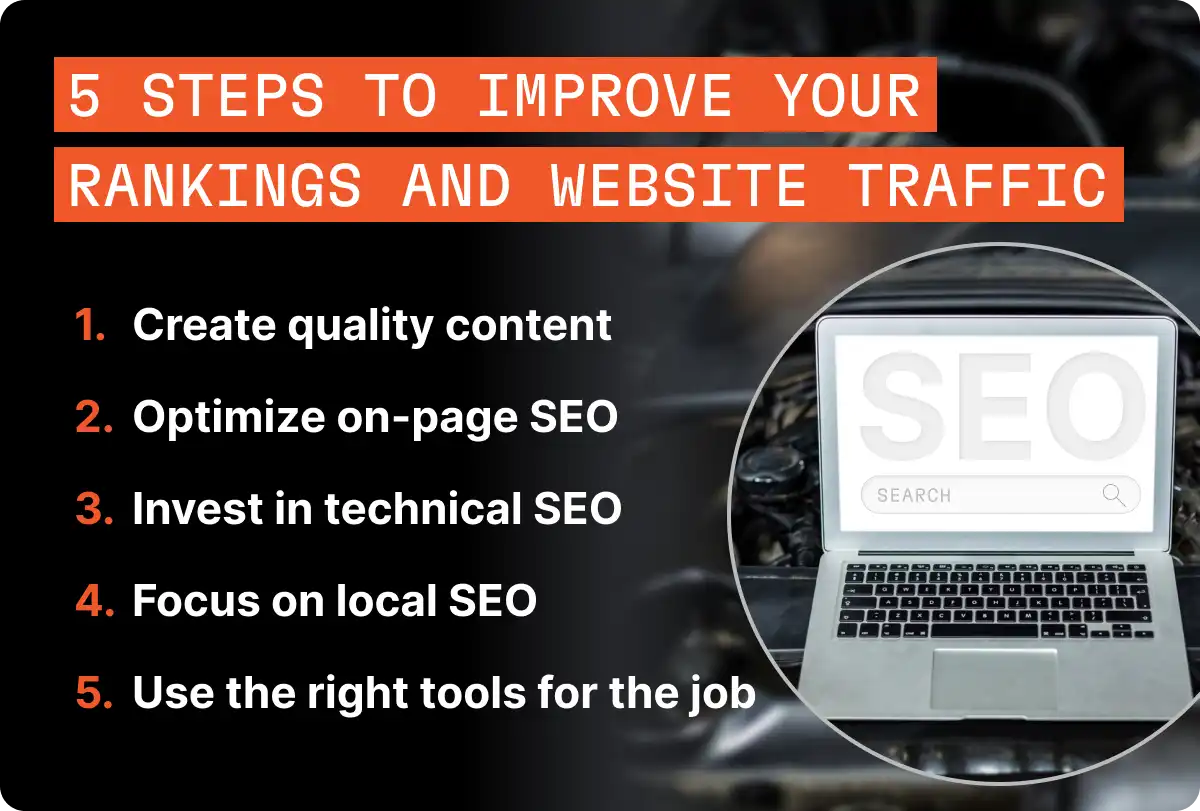
Image showing 5 steps to better SEO for auto repair shops.

Why is SEO important for Auto Repair Shops?

More traffic equals more customers

Search traffic is high-intent traffic which means that people who are searching for “mechanic near me” and similar queries are indicating that they are ready to make a decision. Social media and other traffic forms may bring in traffic but rarely are they ready to make a decision that day. Capturing more search traffic almost always leads to more conversions. Think about it, when you start looking for a service where do you start your search?

Brand awareness

Even if the customer is not ready to make a decision that day, being visible for relevant keywords is important (and free) brand awareness. Ranking well will help your shop stay top of mind for future automotive repair needs and build your online presence. Just like we remember a billboard or business logo weeks later, being visible in search engine results leads to better brand awareness and online visibility.

Cost effective

Unlike Google Ads, SEO efforts are free if you do them in-house. All you need to get started is this guide + a few YouTube videos and you can make a big difference in your website traffic and online conversions.

Local search

Search engines can use mobile device locations to help match customers with a shop that is nearby. Part of this guide will walk you through how you can indicate to Google where your auto repair shop is located and capitalize on local search traffic.

5 Steps to Improve your Rankings and Website Traffic

1. Quality content

Helpful content: Google loves fresh content and companies who regularly publish helpful content. Strategize what type of content will resonate with your audience and don’t be afraid to test new ideas. Consider removing or updating out-of-date content that is no longer relevant for your audience.

Content calendar: Creating a content calendar for your shop can help you strategize which topics you want to cover each month and who will be responsible for the project timeline.

2. On-page SEO

URLs: Did you know that Google uses the words in your url to help understand what your content is about? Avoid generic URLs like www.Yourshopname.com/blog/23trk and start using keyword-rich URLs like www.Yourshopname.com/blog/houston-tire-store. A simple optimization that can lead to better rankings.

Keyword research: Organic search is no longer about stuffing your content with every keyword you can find but keywords still play a part in how Google ranks content. Keywords are the terms searchers type into Google like “Tire shop near me” or “Brake service shop in Houston”. Other common auto repair keywords include “auto repair shop near me”, “best mechanic in (insert city)”, or "(insert service type) near me”.

You can use a free tool like Google Search Console (more info on tools later on) to explore which keywords you are ranking for and strategize how you can include those terms in your content/website. You will also want to research keywords that you do not currently rank for but want to in the future. Don’t forget to look at competitors and see what they are ranking for to help you locate your target keywords and form your overall strategy.

Internal linking: If you think of the internet as a spider web, each piece of content has internal and external links that help connect related content. These internal links help search engines crawl your website and find all the other content your website has to offer. Aim for at least one internal link in each article you write.

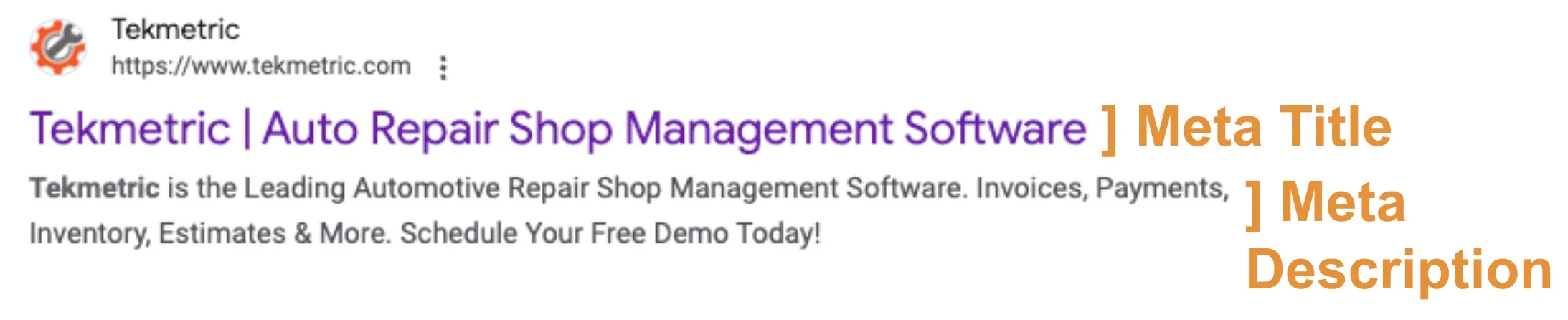
Meta Descriptions: As the name suggests, meta descriptions inform readers on what they can expect your content to cover. This is a great place to highlight keywords you think searchers might use to find your content.

Avoid click-bait strategies but try to make your meta description attractive and keyword dense. This will lead to better click-through-rates and better rankings. Aim to use 150 characters or less in your meta description so Google doesn’t cut it off.

Meta Titles: Think of a meta title as the headline or title tag for your content. This is a great place to showcase what your content offers and what it covers. You also want to feature your top priority keyword in the title to make sure Google (and users) know that it matches what they are searching for.

A picture showing how title and meta description tags appear in Google search.

3. Technical SEO

Tek-Tip: Warning: this section is more technical and may require the assistance of a website professional. We recommend Shopgenie to help with all of your website/SEO needs.

Page speed: Search engines have started to prioritize websites that provide a better user experience and part of that is having fast page speed. You can test your website speed using this free tool. Some quick ways to improve your page speed would be to minimize image file sizes and reduce the number of third-party scripts you have on your website. You may need to contact a website developer if you want to make bigger adjustments to your website.

Link building: Search engines use backlinks as a way to identify which websites are trustworthy and authoritative. For example, if your website has a link from Forbes pointing to your blog article, it indicates that your blog has value. The more links you can gather (especially from high-quality websites) the more reasons search engines have to believe your website has value.

SEO and PR agencies can help you build your link profile. You can also contact other websites directly and do manual outreach. The best practice is to create content that people want to link to and the links will accumulate naturally. Content that typically performs well for link-building in the automotive industry includes how-to videos, guides, and tutorials.

Mobile friendly/UX: Have you ever been frustrated by a website on your phone that you can’t use because the buttons are too close together or it loads slowly? With the majority of your target audience using their phones to search for services, your SEO strategy needs to include a user and mobile-friendly website design.

Sitemaps: A sitemap is a file that you can add to your website to help guide search engine crawlers to your content. Think of it as a crawler roadmap for your website. This file can be useful if you don’t want certain parts of your website crawled or if you recently added new content and want it to be crawled quickly.

4. Local SEO

Google My Business: Google My Business (GMB) is a free Google business profile that showcases your company, services, contact info, logo, and more. An easy way to improve your local SEO is to keep this platform up-to-date with your contact information, website, and hours of operation. If a potential customer searches “auto repair shop near me” your GMB listing indicates to Google if you service that area and helps you rank for their search.

Bonus tip: Make it easy for customers to leave reviews on your GMB profile as extra proof that you run a quality automotive repair shop. Some auto shops add a QR code on the front desk or on receipts directing customers on how to leave reviews. Make sure to respond to negative and positive reviews with professionalism. First impressions matter; potential clients often research reviews before selecting a shop.

Directories: Directories are popular aggregation review platforms like Yelp, Consumer Reports, BBB, and Yellow Pages. Claiming your business profiles and updating them with your relevant information can help some potential clients find your auto repair business. Make sure your phone number, address and website are all up to date within each directory.

Location pages: Adding your address and directions to your website can help search engines understand where you are located and aid in pairing you with appropriate local queries. Another tactic is to make sure your website content mentions your city to further boost this effort.

5. SEO tools

Paid tools: There is no shortage of SEO software/tools to help you upgrade your auto repair SEO strategy. These tools typically have a free version but they are limited in functionality and you will need to upgrade if you have larger websites. Some of the top options include Ahrefs, Semrush, and seoClarity.

Free tools: If you have a smaller website you may be able to get by with these free tools. Some of the top free SEO tools include Google Search Console, PageSpeed Insights, and free versions of Ahrefs and Semrush.

Tracking/monitoring: After making updates to your website and overall SEO strategy it is important to track your progress and KPIs like clicks, traffic, impressions, CTR and others that may be relevant to your auto repair business. You can build free tracking dashboards in Google Analytics or Google Looker Studio.

Bonus tip: Google and other search engines regularly update their algorithms so keep an eye out for volatility during these updates.

How long does it take for search engine optimization to work?

While some SEO tactics will start working immediately, larger and more consistent progress will be seen within 3-6 months if implemented correctly. Typically, this progress is seen as part of a “snowball” effect where multiple small optimizations will snowball into larger results over time.

Ranking on the first page of Google can take time but it often depends on how many competitors are in your area. All worthwhile marketing strategies take time and SEO is no different.

Final thoughts

Search engine optimization is an important tactic to drive more traffic and customers for your auto repair business. Keep in mind that SEO is one of many marketing tactics and should be part of a larger marketing strategy. To be successful in automotive shop marketing you will also need to explore other channels like social media, email, paid advertising, and traditional marketing.

Auto Repair SEO: The Complete Guide for 2026

March 18, 2025

Read time: 3 min

read more

Almost 1,000 shop owners, service advisors, and technicians gathered in Houston for Tektonic 2026, Tekmetric's first industry conference. Over two days at the Marriott Marquis, attendees packed breakout rooms, traded hard-earned lessons, and heard from operators, coaches, and industry leaders who have built and scaled shops of their own.

The Question That Started It All

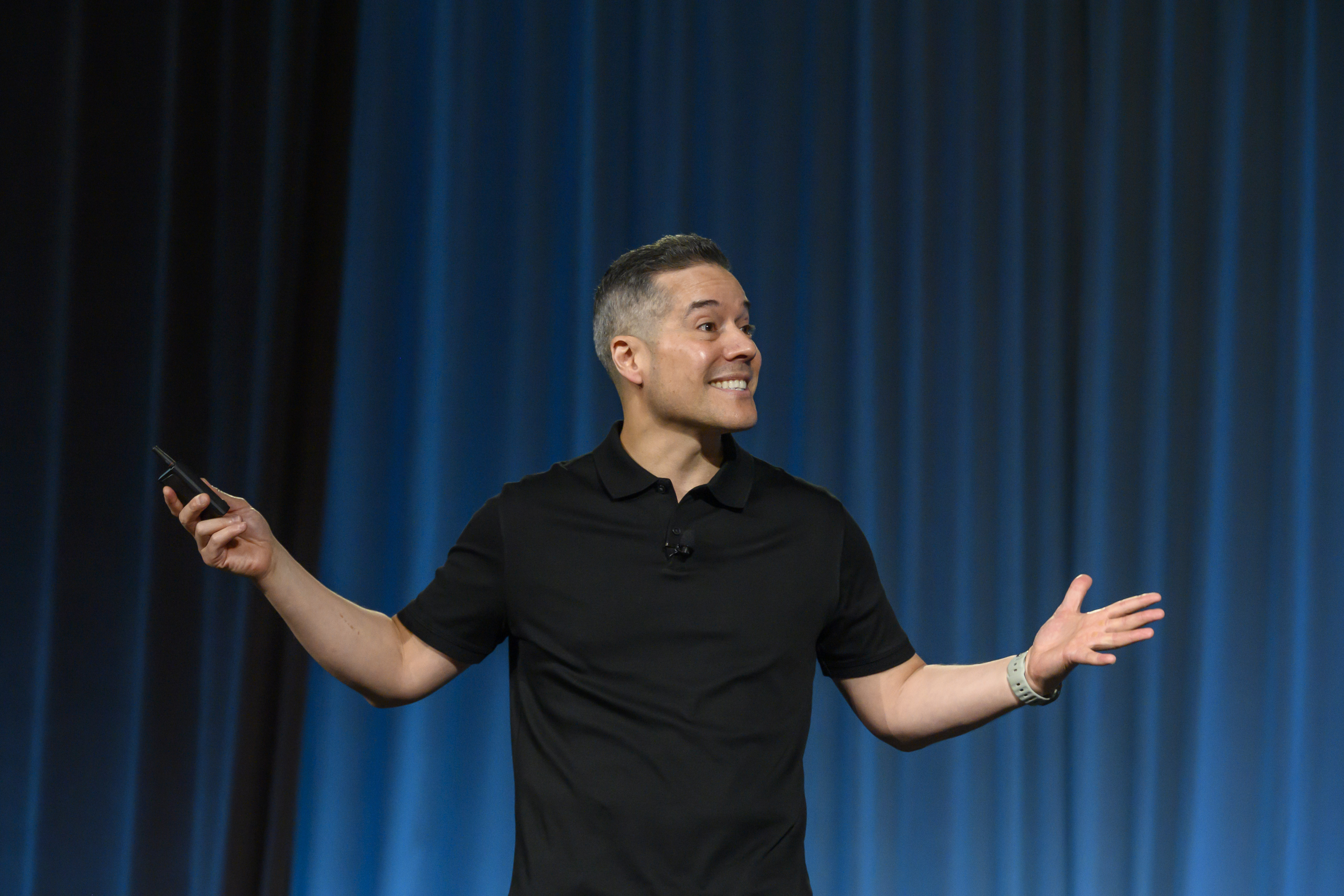
Tekmetric CEO and Founder Sunil Patel opened Tektonic 2026 with a question he has been asking since he was writing service tickets and mopping floors at his former Houston shop, Motorwerks of Houston: "Why does it have to be so hard? Why does it have to feel like we're fighting a war on 12 fronts?"

That question, he told the room, is the reason Tekmetric exists.

Standing in front of shop owners, service advisors, and technicians who understand that question on a cellular level, Patel walked through how much harder running a repair shop has become. Vehicles are packed with software, sensors, and calibration systems that require entirely new toolsets. Customer expectations have been shaped by on-demand everything. Technician shortages continue to press on shops across the country. And OEM data restrictions are making it harder for independent shops to do the work they were built to do.

But Patel didn't stop at the challenge. He laid out four pillars he believes the industry needs to move forward: stop celebrating burnout as a badge of honor, build genuine trust with customers and teams, invest in an ecosystem of great partners and vendors, and embrace technology that serves shops rather than extracts from them.

He closed with a simple ask for everyone in the room: be curious, be open, be generous with what you know, and be present. 

"I want you to take something away from here," he said. "Something that will get you to be 1% better than you were."

That set the tone for everything that followed.

Top Takeaways

Process Consistency Wins on the Hard Days

Busy days don't create problems. They expose them. The best shops build their standard operating process before the chaos starts.

  • Call the day before. A preappointment call to review service history and flag overdue maintenance turns intake from reactive to planned and primes customers to say yes before they walk in the door.
  • Speed is your biggest sales tool. Every hour between drop-off and delivering an estimate costs roughly 10% in approval rates. Get findings to customers fast.
  • Set the next promise, not the finish line. Never promise a completion time you can't guarantee. Promise the next specific update and deliver it on time, every time.
  • The in-store customer is the highest-priority repair order in the building. Every other car can wait. The person sitting in your lobby cannot.
  • Improve one thing at a time. Pick one process to fix, measure it, and build accountability before moving to the next. Trying to fix everything at once fixes nothing.

Speed Closes More Jobs Than Salesmanship

Closing rates drop sharply with every hour that passes between drop-off and the customer call. A customer who has been waiting since 8 a.m. has had time to read every one-star review and talk themselves out of approving the work.

  • Get inspection results to customers within 30 minutes of dispatch. That's the speed zone. Everything else in the shop is secondary until that call is made.
  • In-store customers get findings in 15 minutes or less. The customer is sitting right there. Use it.
  • Relative priority is your daily compass. At any moment, the most important thing is moving the car that's furthest behind in the process. Not the loudest customer. Not the most expensive ticket. The earliest step.
  • Two daily goals. Full stop. Every technician runs at least eight billable hours. The shop hits its gross profit target. Nail both and everything else follows.

You Don't Have a Technician Shortage. You Have a Culture Problem.

The technician pipeline isn't as broken as it seems. What's broken is how many shops make it hard to stay.

  • Rethink flat rate. Hybrid pay models that combine a solid base with performance incentives align your team's goals with the shop's goals and they're far more attractive to the next generation coming into the trade.
  • Answer two questions before you do anything else. Why would a technician work here? Why would a customer come back? If you hesitate on either, start there.
  • Recognition is the highest-ROI leadership move you have. Research cited at the conference found that team members become disengaged because they don't feel seen. Fix that before you invest in anything else.
  • AI won't replace hospitality. Technology can handle administrative weight, but the trust a service advisor builds with a customer at the counter is irreplaceable. Invest in that skill set.
    ‍
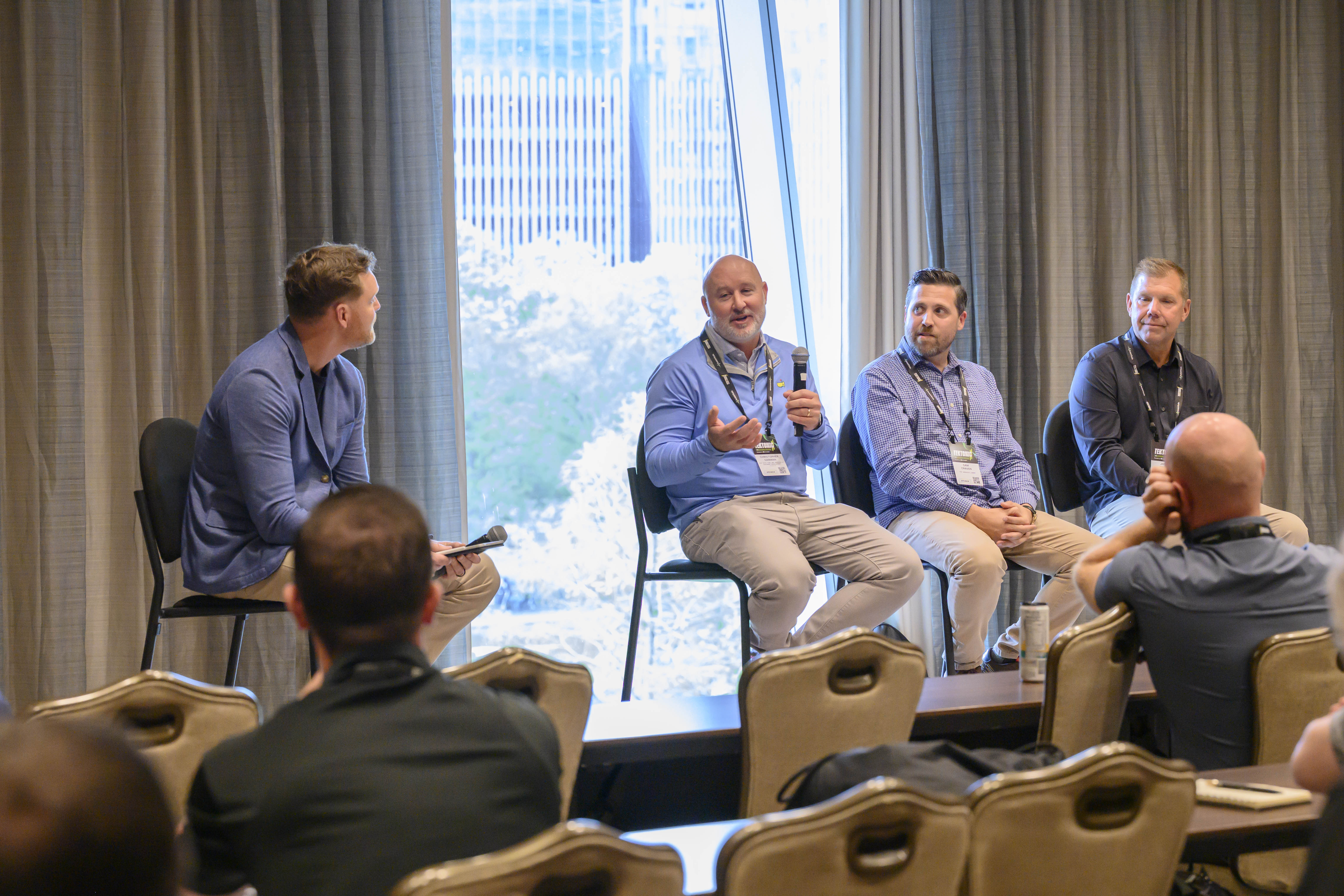
P.J. Leslie, Tekmetric's head of mid-market and enterprise sales, moderates a panel during Tektonic 2026 in which multishop owners break down the real strategies behind expansion: buying shops, building shops, systemizing operations, integrating teams, protecting culture, and planning for eventual exit or partnership.

Growing to Multiple Locations Takes More Than Money

Every multishop operator on the stage agreed: you're never fully ready, and that's fine. What matters is being profitable, having the right people, and expecting the unexpected.

  • Profitable and cash-positive before you move. When you make a mistake at location two—and you will—you need a healthy location to cover it.
  • You're ready when your shop doesn't need you. Build your bench before you open the next door. The manager for location two should already be in your building today.
  • Start your exit plan on day one. Almost no one in the room at one of Tektonic’s breakout sessions had a clear exit strategy. Don't leave money on the table because you never thought through how the story ends—whether that means selling, transitioning, or building for long-term cash flow.

Leadership Is the Ceiling on Everything Else

Your shop will never outperform your leadership. What you tolerate becomes your standard. How you show up on Monday morning sets the emotional temperature for everyone around you.

  • Know your triggers before they know you. Name what sets you off. Once you can spot it, you can stop it before it damages a relationship.
  • Pause for three seconds. Before you respond to anything that's gotten under your skin, stop. Three seconds is the difference between a reaction and a response.
  • Hear less. Listen more. After someone finishes speaking, let the silence sit. People almost always have more to say and the second thing is usually the real thing.
  • Walk into hard conversations knowing how you want them to end. Start with the outcome in mind, not the grievance.
    ‍
Tekmetric Chief Product Officer Jared Haleck breaks down Tekmetric's new products at Tektonic 2026. The new products include Tekmetric digital ads, Smart DVI, and Tekmetric phones.

Product Announcements at Tektonic 2026

The closing session belonged to the Tekmetric product team. Drawing on data from more than 15,000 shops on the platform, Tekmetric President and COO Lauren Langston and Chief Product Officer Jared Haleck built the roadmap around key areas where winning shops consistently outperform the rest: car count, average repair order (ARO), driver experience, and cycle time.

Here's a look at what’s coming:

Tekmetric Digital Ads: AI-powered advertising on Google Maps and Search, built for the moment a driver has a problem and is ready to act. It connects directly to Tekmetric so you can see the gross profit behind every dollar of ad spend, not just clicks.

Smart DVI: Technicians walk the vehicle, narrate what they see, and Smart DVI builds the customer-ready inspection report automatically—findings organized, images annotated, and jobs pre-suggested for the estimate. Less time typing. More time turning wrenches.

Tekmetric Phones: Customer details, open repair orders, and communication history surface the moment an inbound call rings. No more looking it up while someone's waiting. A future capability in development will transcribe calls in real time and auto-populate appointment notes.

See You in 2027

Tektonic 2026 was Tekmetric's first industry conference, and it delivered on the promise Sunil Patel made from the stage: a room full of shop owners, service advisors, and technicians who showed up to get better.

The through-line across every session was the same. The shops that win are the ones that build systems, invest in their people, and keep getting 1% better. Not all at once. One thing at a time.

Registration for Tektonic 2027 is already open. We hope to see you there.

‍

Payment methods aren’t simply about an exchange of money. They're personal. And in the ecommerce environment, offering the right payment methods is like extending an invitation — it lets your customers know they're welcome here and they can expect a seamless experience.

Buy now, pay later (BNPL) methods provide even more convenience and flexibility, allowing customers to break their purchases into smaller payments. When you add BNPL to your menu of payment options, you open the door to even more customers and to higher-value sales. In fact, a recent survey found that more than 70% of businesses using BNPL report higher conversions, average order value, and customer acquisitions.

We've partnered with Stripe to make Affirm’s BNPL payment methods available to your customers. Businesses that offer BNPL through Stripe on average see a 24.5% increase in sales. Adding Affirm to your mix of payment methods can help your business:

1. Boost Conversion

A $400 price tag, for example, might discourage some customers from clicking buy, but when they can split that cost into four $100 payments, the transaction may be more appealing. That's how BNPL methods can help motivate your customers to make an order, driving up your conversion rate.

2. Increase Your Average Order Value

 BNPL methods may encourage your customers to order more lower-value goods at one time, increasing your average cart size. It may also encourage them to purchase high-value goods, such as luxury items or furniture. In either case, your customers have greater ability to place higher-value orders, which can help drive revenue.

3. Reach More Customers 

BNPL methods can help you tap into new market segments by making a purchase easier on a customer's budget through a series of smaller payments. These payment methods are especially attractive to younger customers who may not have a credit card or the ability to pay for large purchases in a single payment.

The flexibility of buy now, pay later is a huge benefit to your customers—one that can inspire them to make a purchase. And—maybe the best part—this all happens without extra work on your part, and Affirm takes on any potential risk.

With Affirm, you get paid in full immediately, while your customer owes only a portion or nothing up front. Affirm handles underwriting the customer and collecting payments, and assumes liability if a customer files a fraud-related dispute, so you can focus on growing your business.

Click here to learn more about how Tekmetric and Stripe can help you optimize your checkout